A new year invites new opportunities for growth. While fitness or finance goals are always popular, they can sometimes feel like all-or-nothing undertakings. For 2026, consider setting personal sustainability goals—small, consistent changes that support the planet and your everyday life. These aren’t sacrifices—they’re upgrades that help you feel better, live smarter, and tread lighter.
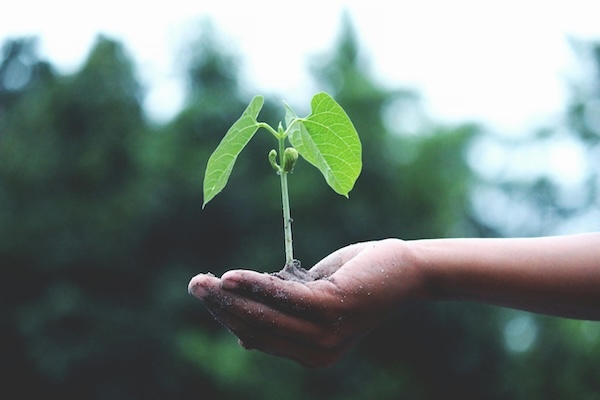
Don’t underestimate the power of individual choices. Experts believe that individual or household behaviors can reduce emissions by 25 to 30 percent over the course of the next three decades. That’s not speculation. That’s action waiting to happen. And it starts with the decisions you make every day.
Building on our summer sustainability goals, here are a few ways to align your 2026 habits with your values and embrace a more sustainable lifestyle without sacrificing comfort, style, or ease.
Hydration Without Harm: The Power of a Reusable Bottle
Hydration is essential, but single-use plastic bottles aren’t. Plastic bottles take centuries to break down. A shocking 79 percent of the plastic produced since the material was invented in the 1950s is still sitting in landfills or the natural environment today.
The good news? The reusable water bottle industry has seen rapid growth. These days, reusable water bottles are more popular, stylish, and accessible than ever. Whether you’re out on a hike, commuting through the city, or heading to the driving range, there’s a bottle that fits your day.
From the golf course to the hiking trail, from your morning commute to weekend getaways, carrying a reusable bottle is one of the simplest sustainable practices you can adopt. Modern options offer insulation that keeps drinks cold for 24 hours or hot for 12—performance that single-use bottles can't match.
And for the plastic that’s already out there? It can be repurposed. At Cutter & Buck, we proudly turn plastic bottles into premium apparel standouts. Staples like this women’s recycled puffer vest or big & tall recycled full-zip jacket offer everyday function with a lighter footprint.

This mindset applies to other beverages, too. Sparkling water and soda can quietly add significant waste. A SodaStream or similar home carbonation system can remove thousands of bottles from your routine over the years. Try flavoring your water with lemon, mint, or cucumber to keep things refreshing.
The key is finding sustainable swaps that feel natural, not forced.
Look Sharp in Sustainable Clothing
A sustainable wardrobe isn’t just about what it's made from. It’s about how long it lasts.
The last thing you want when creating a stylish, sustainable wardrobe is to see your favorite shirt, jacket, or sweater fall apart due to shoddy materials or craftsmanship. This isn't just personally disappointing — it inevitably leads to yet another piece of clothing joining the 92 million tons of textile waste generated annually.
Prioritize eco-conscious fashion in all its forms and purchase clothing made to last. Look for pieces crafted from certified recycled materials and responsibly sourced fibers that deliver both performance and durability. There's no need to sacrifice style for the sake of sustainability or practicality; the right pieces will deliver a look you love, free from compromise.
Here's what surprises many people: sustainable clothing often outperforms conventional options. Modern recycled polyester offers superior moisture-wicking, four-way stretch, and longevity compared to virgin materials. The misconception that recycled fabrics break down faster? Completely false. Advanced recycled materials match—and often exceed—the durability of traditional fabrics.
At Cutter & Buck, we're proud to practice what we preach: over 90 percent—and counting—of our clothing is sustainably produced. Whether you want to look polished in a women's short-sleeve polo or keep active in a men’s hooded shirt, you can step out in a timeless wardrobe, with a sustainable piece that’s designed to go the distance.
Reclaim Food Waste with Simple Composting
Food waste adds up fast. In fact, Americans waste nearly 60 million tons a year, with significant environmental and economic consequences. Composting can help, but only if it's paired with a more ecologically friendly way of consuming food in the first place. Start with smaller portions, smarter shopping, and leftovers that actually get used.

The general rule of thumb for composting? If it once had leaves, that's a good starting point. Fruits, vegetables, plants, and even coffee grounds can enrich your compost pile. Other items definitely shouldn't be composted: they create smells and attract unwanted attention from animals. When in doubt, avoid meats, dairy products, and cooked foods.
Better yet, limit these items altogether and load your meals with plant-based, organic ingredients. These swaps will help you limit food waste while enjoying all the benefits of a plant-based diet. It’s a great way to synchronize your health goals and your personal sustainability goals.
Many cities in the Pacific Northwest—including Seattle, Portland, and Vancouver—now offer curbside compost pickup, making sustainable living even more accessible. If you're new to composting, start small with a countertop bin for coffee grounds and vegetable scraps, then expand as the habit takes root.
Shop & Support Local: Reduce Your Carbon Footprint Mile by Mile
The longer something travels to get to you, the more emissions it leaves behind. In an ideal world, the food we eat and the clothes we wear would be sourced and manufactured as close to home as possible. While that's not always realistic, it's still possible to localize your consumption. You don’t have to be perfect. Just intentional.
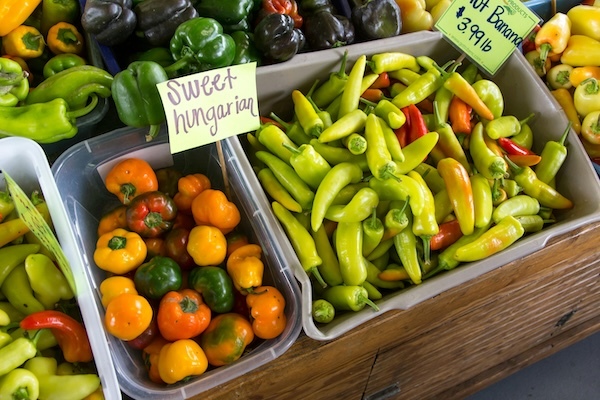
Your local farmers market is a great place to start. You'll support local growers, reduce packaging waste, and get food that’s often fresher, too. Regional co-ops, farm shares, and community-supported agriculture (CSA) programs offer additional ways to connect with local food systems while building community.
When it comes to clothing, proximity matters too. At Cutter & Buck, we've eliminated air freight entirely—0% of our products fly. We rely exclusively on sea freight, reducing emissions by up to 30 times compared to air transport. It's not the fastest way, but it's the right way. These operational choices reflect the same values that guide our product design: sustainability isn't a marketing message—it's a practice.
Small choices like these can make a big difference. 2026 is a great year to start fresh and stay simple. Sustainable living doesn’t have to be a sacrifice. It just needs a little shift in perspective.
Finding Sustainability Momentum Through Everyday Choices
Personal sustainability isn’t about perfection. It’s about progress. Whether you’re swapping single-use bottles for a reusable favorite, learning to compost, supporting a farmers market, or building a wardrobe that lasts longer and does better—every decision adds up.
The beauty of sustainable living is that it can start anywhere. In the kitchen. On your commute. In your closet. In the way you move, eat, shop, and share. Small shifts made consistently over time can help shape a better 2026—for you, and for the planet.
At Cutter & Buck, we’re proud to support that mindset. We design versatile, eco-conscious sportswear for people who live intentionally and move through the world with purpose. From the office to the outdoors, our up-leisure apparel is built to perform across settings while reflecting the Pacific Northwest values of stewardship and innovation.
Explore our sustainability commitments and discover eco-conscious women’s clothing, sustainable men’s apparel, and planet-friendly big and tall essentials made for major versatility and a smaller footprint. After all, the future isn't something that happens to us: it's something we build, one intentional choice at a time.