

Olympic National Park is a true Washington treasure. It's also one of the nation's most popular national parks, exceeding 3.7 million recreational visits in 2024.
Every season brings something special to this breathtaking wilderness, but the fall months are truly spectacular. Fall in Olympic National Park is colorful, moody, and magnificently uncrowded—a dramatic, almost cinematic transformation that reveals the park at its most enchanting.
The colorful fall foliage is stunning. Better yet? Autumn unveils roaring waterfalls, striking coastal fog, wildlife migrations, and peaceful forested trails, all set to a soundtrack of rustling leaves and distant waves.
At Cutter & Buck, we pay homage to our PNW heritage with a clear commitment to sustainability. Rooted in Seattle and inspired by the rhythm of the Pacific Northwest, we're proud to outfit adventures with sustainable outerwear that transitions seamlessly from trail to town. And where better to experience that crisp-air energy than during fall in Olympic National Park—a season that invites you to slow down, look closer, and reconnect with the wild beauty that this wondrous Washington park offers.
Preparing For The Changing Faces of Fall

Keep in mind that not all autumn months are created equal in the vast and diverse Olympic National Park. Your experience could look dramatically different depending on when you visit. September still carries the tail end of summer with mild temps and green backdrops, while October boasts peak fall foliage. By November, dramatic coastal storms roll in, bringing high winds and moody skies that delight storm-watchers.
Plan accordingly, adapting your activities to reflect changing weather patterns. Hiking is most enjoyable in September and early October, but if you're a true storm-chaser, you'll be delighted by the park's unique November showcase.
Dressing for the dynamic Washington weather is always important. When in doubt, follow these basic rules of thumb:
- Pack Jackets — even in September. A light pullover may be sufficient in September, but a water-resistant outer layer becomes essential by mid-fall. Our versatile men’s jackets, women’s jackets, and big & tall jackets are built with breathable insulation and eco-conscious materials that handle both drizzle and temperature drops.
- Prioritize Mobility. Fall trails can get slippery or rugged depending on the week. Opt for lightweight, stretch-friendly layers that won’t slow you down. Every Cutter & Buck piece is designed for versatility, so you can hike, drive, and explore without compromising comfort.
Must-See Moments & Fall Experiences In Olympic National Park
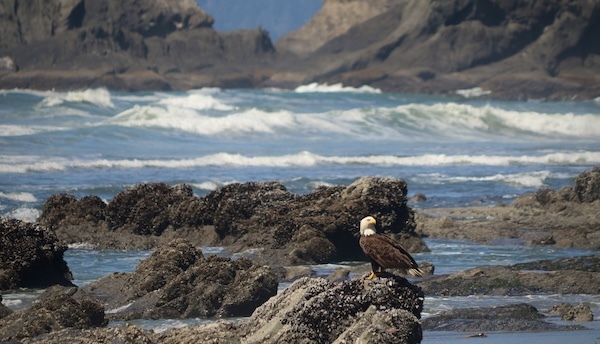
Once you've completed your autumn wardrobe, you should be ready for an unforgettable national park adventure. Fall in Olympic National Park is always a treat, but the right activities will make your experience feel downright magical. To that end, we've highlighted different ways you can experience the best that Olympic National Park has to offer in Autumn.
Where to See the Best Fall Foliage in Olympic National Park
Olympic National Park's fall foliage is never one-note. Its layered ecosystems—from misty rainforests to alpine slopes—create a kaleidoscope of autumn color. If leaf-peeping is on your bucket list, don’t miss these vivid vantage points:
Pro Tip: Mid-October is typically peak foliage season in Olympic National Park, but colors begin to shift as early as late September at higher elevations.
-
Hurricane Ridge
One of the most iconic fall destinations in the park. In early to mid-October, vine maples and mountain ash trees explode in reds, oranges, and golds against the evergreen backdrop. Pair your leaf-chasing with a short hike like the Hurricane Hill Trail for sweeping views.
-
Lake Crescent
A serene and photogenic spot where bright foliage reflects off still water. Drive the Highway 101 corridor along the lake’s northern edge for a stunning window into autumn's palette.
-
Quinault Rain Forest
While lush and green year-round, the maple trees here erupt in yellow and orange hues come October. Take the Maple Glade Trail for an immersive walk through glowing leaves and velvet moss.
-
Elwha Valley
Often overlooked, this area near Port Angeles offers a peaceful drive or hike under fiery bigleaf maples and cottonwoods. Fall is the ideal time to explore the area’s quiet trails and scenic riverbanks.
-
Staircase Region
Located in the southeastern corner of the park, this lowland forest region near Lake Cushman features vibrant alder and maple trees. It's an ideal day-trip option from Seattle or Tacoma.
Explore Regal Rainforests & Diverse Ecosystems
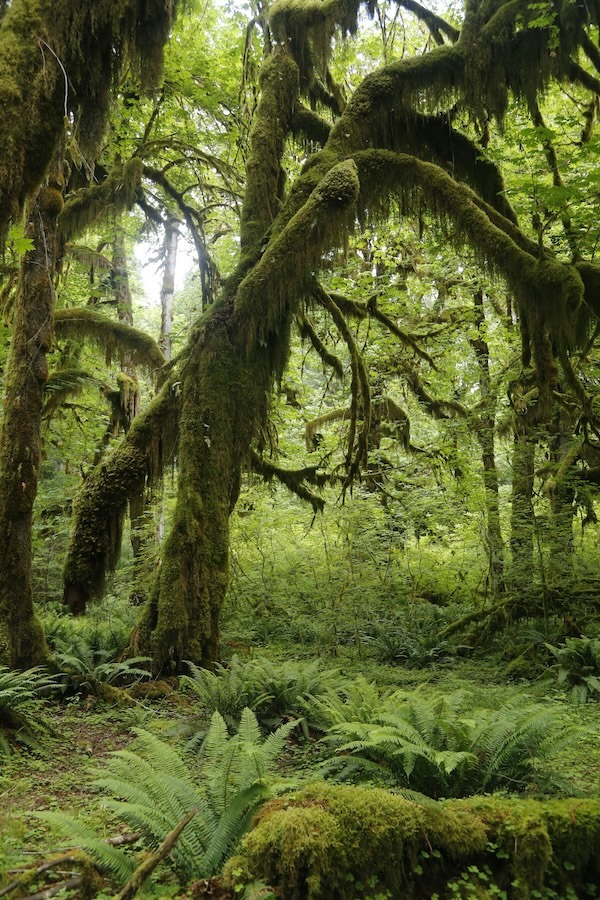
Spanning nearly one million acres, Olympic National Park is home to many mesmerizing ecosystems: mountains, coasts, rivers, lakes, and so much more. This diversity also includes dramatic changes in altitude, ranging from the sea-level beauty of Kalaloch and Ruby Beaches to, of course, the park's crown jewel: the majestic Mount Olympus.
Don’t miss the iconic rainforests. From the ethereal beauty of the Hall of Mosses to the lush wonderland of the Quinault, there are many ways to discover Olympic National Park's forested charms. The rainforests are especially beautiful in early October, when they deliver the epitome of Olympic National Park fall foliage.
Short hikes and scenic drives both offer stunning glimpses of the park’s rich biodiversity. The Enchanted Valley is one of the best options for taking in the breadth of the park's scenery, but this can be echoed with a short but stunning drive along the Cape Flattery Scenic Byway.
The most beautiful spots are often the busiest during the summer, when travelers take advantage of school breaks and balmy weather. Although fall colors can certainly draw crowds, these are limited by comparison and may be all but nonexistent during the week. Take advantage of this opportunity to enjoy the extraordinary views without battling the usual crowds.
Enjoy Crowd-Free Waterfalls
As you continue your quest for minimal crowds, be sure to check out the park's many impressive waterfalls. These tend to be among the busiest trails, so you'd be forgiven for avoiding them in the summer.
The good news? Waterfall hikes are far more peaceful in the fall. They are also visually impressive, especially as the rain begins to pick up in late autumn.
Not sure where to start? These are among the best fall hikes in Olympic National Park — add at least one to your fall itinerary.
-
Madison Creek Falls
Cascading 60 feet, Madison Creek Falls offers one of the most accessible waterfall experiences in the park, making it a top option for casual family outings. Although gorgeous year-round, these falls are especially spectacular when autumn colors take over.
-
Marymere Falls
A popular old-growth forest hike leads to the stunning Marymere Falls, which plunge an impressive 90 feet. Crowds can be expected even in the autumn, but weekday hikes should be relatively peaceful. On the hunt for a challenge? Extend the journey with the rigorous Mount Storm King trek.
-
Sol Duc Falls
Offering another beautiful and reasonably accessible opportunity to see the winning combination of old-growth forest plus waterfalls, the Sol Duc area is not to be missed. Featuring three distinct prongs, the falls are among the park's most photographed.
Experience the Uniqueness of Elk Rutting
The waterfalls, mountains, and rainforests of Olympic National Park may be a visual treat, but this park offers a true feast for the senses. You'll notice ocean waves, babbling brooks, and plenty of birdsong, but, if you're extra attentive, you'll hear something truly memorable: the bugling calls of local elk.
This is the ultimate sign of fall. The park is home to a sizable herd of Roosevelt elk, which can frequently be spotted in the Hoh area. September marks the start of mating season, with males becoming far more vocal in an effort to show dominance. This vocal display is only the beginning; the males may also challenge one another.
It's a fascinating spectacle and one you won't quickly forget, but as always, safety is paramount. Always remain at least 150 feet away from elk. Prime viewing locations include the Hoh Rain Forest and the Quinault Valley, where large herds gather at dawn and dusk.
Marvel at the Great Salmon Migration
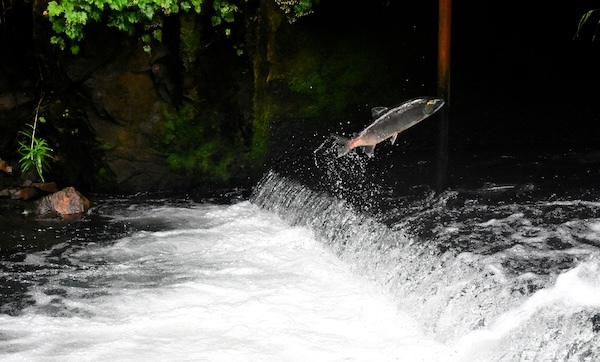
Fall in Olympic National Park is a season of motion. Migratory birds glide overhead, but beneath the surface of the park's rivers, another epic journey unfolds. Salmon return home to spawn, creating one of nature's most awe-inspiring phenomena.
The appropriately named Salmon Cascades always promise an excellent view, but it's particularly fascinating during spawning season. Look closely and you may spot coho salmon launching themselves upstream in acrobatic bursts. Chinook and sockeye salmon also make their upstream climb, sometimes visible in astonishing numbers.
While migration begins as early as August, September offers peak salmon activity, with rivers alive in a rhythmic pulse of life and legacy. Bring binoculars or a zoom lens to enjoy a closer look without disturbing this vital ritual.
Discover a Dramatic Showcase With Autumn Adventures in Olympic National Park
Olympic National Park in the fall is a multi-sensory experience—where earthy trails crunch underfoot, waterfalls roar louder with each rainfall, and coastal storms roll in like a theater performance.
Whether you're watching a salmon vault upstream, listening to an elk bugle in the mist, or soaking in the silence of a rainforest draped in gold, there's something elemental about autumn here.
And just like the park, your fall wardrobe should be ready for anything. At Cutter & Buck, our sustainable clothing is built for versatility and performance—so you can chase fall foliage, photograph waterfalls, or take a spontaneous scenic drive without worrying about the weather.
Fall in Olympic National Park is not just a trip. It's a reminder. That this season, like the park itself, is wild, beautiful, and fleeting. So layer up, step outside, and discover what autumn in the pristine Pacific Northwest truly feels like.